
 Meredith Casanova demandée il y a 3 heures
Cold snaps push weak systems to the edge, so a clear, quality-first plan matters. You want fast fixes, but you also want long-term reliability and fair costs. That starts with clear findings and continues through clean workmanship. In this guide, we map a no-drama approach that trims risk, verifies results, and keeps airflow stable. We touch real-world details like filter ratings, flame signals, and combustion tuning. You’ll see how pacing repairs against weather windows can save money. If your cooling shares ductwork or control boards, one visit can support ac repair avawam as well, keeping your home balanced. The goal is fewer callbacks, steady comfort, and a system that just works when you need it.
Define scope upfront and set repair goals
Start with targeted testing that isolate symptoms before touching parts. You can review success criteria at furnace repair avawam for practical expectations from start to finish. Build a working scope that states heat output targets, noise limits, and combustion ranges. Include constraints like time windows, parking, and thermostat rules. A shared plan trims delays and reduces redo work.
Tie scope to clear measurements, not feelings. Use return/supply temperature split, static pressure, and microamp flame signal to call pass or fail. Note special cases, like tight crawlspaces, that raise risk. Documented limits keep everyone aligned when surprises pop up. Keep the language short, specific, and verifiable.
Choose compatible parts and proven materials that last
Parts should match specs, not just fit the bracket. Ask for model-number validation and lab-tested equals based on airflow and ignition profiles at furnace repair avawam for clarity in component choices. Prioritize filters with correct MERV that won’t choke static, and fasteners that bite. Igniters, pressure switches, and boards should align with sequence timing, not just connector shape. Buying « almost right » parts usually costs more in callbacks.
For gas trains and venting, demand listings that match fuel and altitude. Use manometer-friendly taps, clean seats, and pipe dope suited for gas. Electrical items need heat-rated insulation and clear labels. If a part lacks a data sheet, leave it on the shelf. The result is fewer leaks, smoother starts, and stable cycling.
Map the task order and timing to reduce downtime
A strong plan sequences tasks to uncover issues early. Share a one-page timeline with arrival, lockout/tagout, preheat checks, and sign-off steps, then confirm homeowner access at furnace repair avawam for day-of readiness tips. Start cold tests first, so weak inducer motors surface before heat soaks parts. Front-loading diagnostics turns chaos into a clean path.
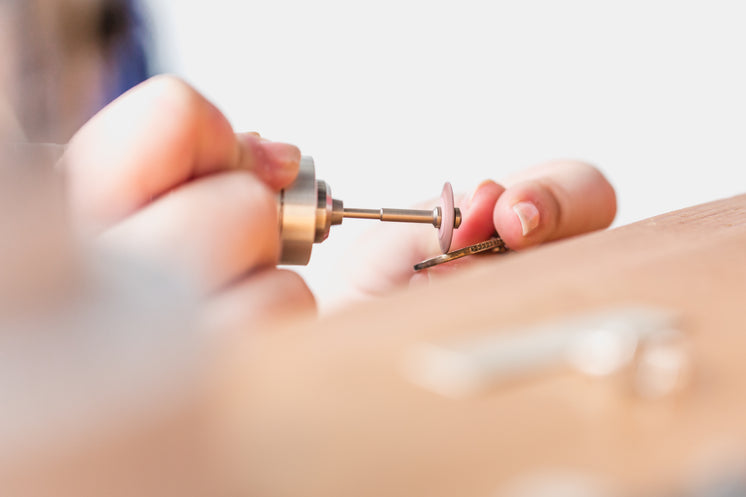
Coordinate with weather and occupancy. Choose morning starts in shared buildings to avoid parking crunches. Stage parts on a clean mat, and bag screws by assembly for fast reassembly. Checkmarks show progress and build trust. Leave ten minutes at the end to set thermostat programs and explain filter swaps.
Verify quality and manage risks with measured tests
Quality lives in numbers, not hunches. After the fix, compare temperature rise to nameplate, read static pressure, and log CO ppm while the home runs normally at furnace repair avawam for context on pass/fail ranges. Confirm flame signal in microamps and verify pressure switch response during inducer ramp. When readings land on the edge, adjust before calling it done.
Build a quick « what-if » tree. If rollout trips, inspect heat exchanger cracks; if short cycles persist, check thermostat drift. Photograph manometer setups and meter leads for the record. Proof beats memory on the next cold night. Leave a copy of results with plain notes and clear next steps.
Maintain efficiency with routine care and simple follow-ups
Care prevents crises. Set a seasonal plan with filter changes, condensate cleaning, and belt tension, and align it with holidays at furnace repair avawam so it’s easy to remember. Tie visits to pollen spikes or early frosts to catch airflow or ignition quirks before peak load. Small tune-ups today block big invoices tomorrow.
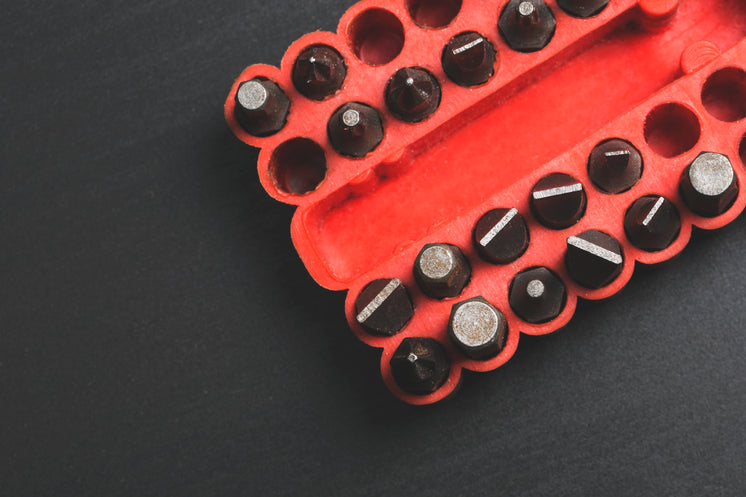
Coach owners on safe DIY checks. Show how to replace filters, spot drip lines, and hear relay chatter. Encourage quick reports when odors shift or rooms drift off setpoint. Fast feedback closes gaps before they widen. Over a year, steady care delivers quieter starts, even heat, and lower bills.
Balance budget with trade-offs that match your priorities
Money choices should follow data, not panic. Price the « stop the bleeding » fix, the « stabilize for winter » path, and the « optimize for five years » plan, then compare life-cycle costs at furnace repair avawam for a side-by-side view. Include energy savings from proper airflow and tune, not just parts. A modest upgrade can pay for itself in quieter, steadier heat.
Consider timing. Off-peak scheduling often lowers labor, while bundling tasks trims repeats. Assign a reserve for surprises like brittle wiring or stuck fasteners. Clarity turns estimates into smart choices. In the end, you keep comfort steady, protect the wallet, and avoid midnight emergencies.
Bringing it together, a clear scope, solid materials, and a clean schedule reduce risk before the burner ever lights. Measured tests prove quality, while routine care keeps airflow steady through the long season. Thoughtful budget trade-offs align fixes with comfort goals and time constraints. With this approach, your home stays warm, your costs stay reasonable, and your plan stays simple.