 Della Conlon demandée il y a 15 heures
When cold snaps roll in, heat loss turns from minor hassle into major risk, so a steady plan matters. Our focus here is seasonal readiness, clear scheduling, and practical steps that keep your home comfortable without drama. You’ll see how to scope needs, line up parts, and control timing so the work lands before the next front hits. We keep explanations simple and actionable so you can move fast. Whether you’re facing a noisy burner, erratic cycling, or a dead-of-night shutdown, the right sequence prevents repeat calls. We’ll also touch on how to coordinate with neighbors, tenants, or small offices when timelines get tight. For cooling crossovers and shoulder-season planning, ac repair Opelika fits neatly into the same playbook, giving you less downtime and fewer surprises. Treat these notes like a living guide you can adapt to your situation.
Map scope early and avoid cold-season surprises before work starts
We start with a simple discovery step, listing rooms, vents, and past issues, then ranking what matters most. furnace repair near me Gather model numbers, thermostat settings, and recent fuel bills, then snap a few photos of the unit, flue, and filter rack. These details cut confusion and make the first visit far more efficient. Note symptoms in plain terms: frequent stops, odd odors, vibrations, or cold spots. Ask who uses which spaces, and when; a nursery or home office might set the day’s priorities. A brief off-peak test gives you a clean read before stress builds.
From there, set a simple scope: must-do safety items first, then performance, then nice-to-have tweaks. Create a concise plan that separates fixes from upgrades. Clarify access times for utility rooms, parking, and narrow halls, and flag pets. Laying it out now keeps the crew aligned and the budget steady. If your system shares space with storage, clear a path so measurements and combustion checks run cleanly. A little prep often removes entire roadblocks down the line.
Lock parts and approvals before confirming the service window
Once you know the likely faults, confirm availability of filters, igniters, and any specialty gaskets. furnace repair near me Ask whether your unit needs OEM pieces or if rated equivalents meet warranty terms. This protects performance and avoids return visits. If venting or gas-line adjustments are on deck, check local rules for inspection steps. For example, light commercial suites may require coordination with building management and set quiet hours. Order ahead during cold snaps, because shelves empty quickly.
Get the schedule in writing, with a two-hour arrival window and a backup time if weather turns. Confirm who has keys, who signs off, and who pays. Attach quick snapshots of the site so the tech packs the right tools. Doing this can cut job time by half. If your place has parking limits, reserve a spot near the entry to trim haul time. Small frictions add up; shave them off wherever possible.
Verify quality steps and reduce callbacks during diagnostics
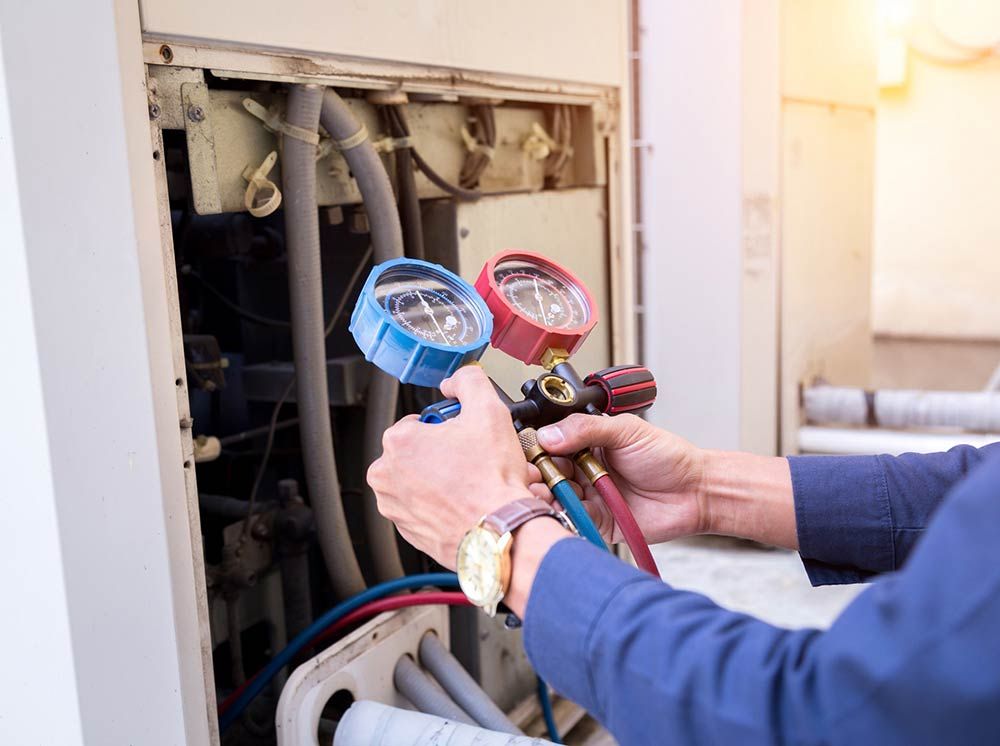
On arrival, a good tech checks gas leaks, flame quality, and combustion air before touching settings. furnace repair near me That baseline protects both people and equipment, especially in older homes with tight closets. Insist on readings: CO levels, temperature rise, and static pressure. Data outruns guesswork and guide choices like whether to replace a clogged filter or inspect a cracked heat exchanger. When belts squeal, measure tension instead of guessing; when bearings grind, log amp draw. Clear data narrows fault trees and speeds the right fix.
Mid-diagnostics, agree on thresholds that trigger a pause and quote. Set a simple line: « ping me if labor crosses two hours. » You stay in charge while the work moves forward. Write down results with quick photos of gauges and screens for later. That record helps if issues return in a month. If the unit is unsafe, kill power and discuss space heaters or alternate rooms for the night. Safety first, comfort second, every time.
Balance cost with outcomes and plan smart trade-offs
Money matters, so split estimates into safety, reliability, and efficiency tiers. furnace repair near me Safety might cover gas-tight fittings and vent repairs; reliability includes igniters, sensors, and cleans; efficiency targets duct sealing or smarter controls. Choose the tier that fits the season and your goals. In mid-winter, prioritize heat continuity; in spring, schedule upgrades. Phasing keeps comfort up and costs predictable.
Ask about lifetime costs: fuel spend, parts frequency, and expected visit cadence. A $100 part that fails yearly beats a $300 ten-year fix? Maybe not. Run the math with real usage, not guesses. Count qualifying incentives before you decide. Clarity on dollars turns stress into a plan.
Keep airflow clean and settings tuned for long-term health
After the fix, set simple routines: monthly filter checks in peak season, quarterly otherwise. furnace repair near me Program thermostats to avoid constant cycling during sleep hours, and match schedules to real occupancy. This reduces wear and smooths temperature swings. Vacuum return grilles, clear supply vents, and watch for furniture that blocks airflow. Note odd patterns like late-night clicking or early-morning cold zones. Tiny symptoms today can become outages tomorrow.
Plan a preseason tune each fall: combustion tune, blower cleaning, and safety tests. Spring is perfect for cooling checks if your system is combined. Keep a one-page log of service dates and findings. Patterns will jump out, guiding smarter timing and spend. If tenants or family members share the space, post the filter size on the closet wall. Future you will thank present you for that label.
Conclusion
A steady plan beats last-minute scrambles: scope clearly, secure parts, then schedule with intent. Quality checks guard safety while data trims risk, and staged budgets convert pressure into progress. Maintenance keeps gains intact, so your system works harder when it counts and rests when it can. Follow these steps, and winter becomes manageable instead of chaotic.